
Our brand-new DocCritic Programme gives emerging student critics the opportunity to review some of the most anticipated documentaries of the year.
Our DocCritics review films in our First Feature Strand, shaping how audiences discover and experience these stories across our website, social media and newsletters.
This programme aims to mentor and develop the students' voice to create written and verbal content to support our filmmakers from the First Feature strand.
A City in The Forest
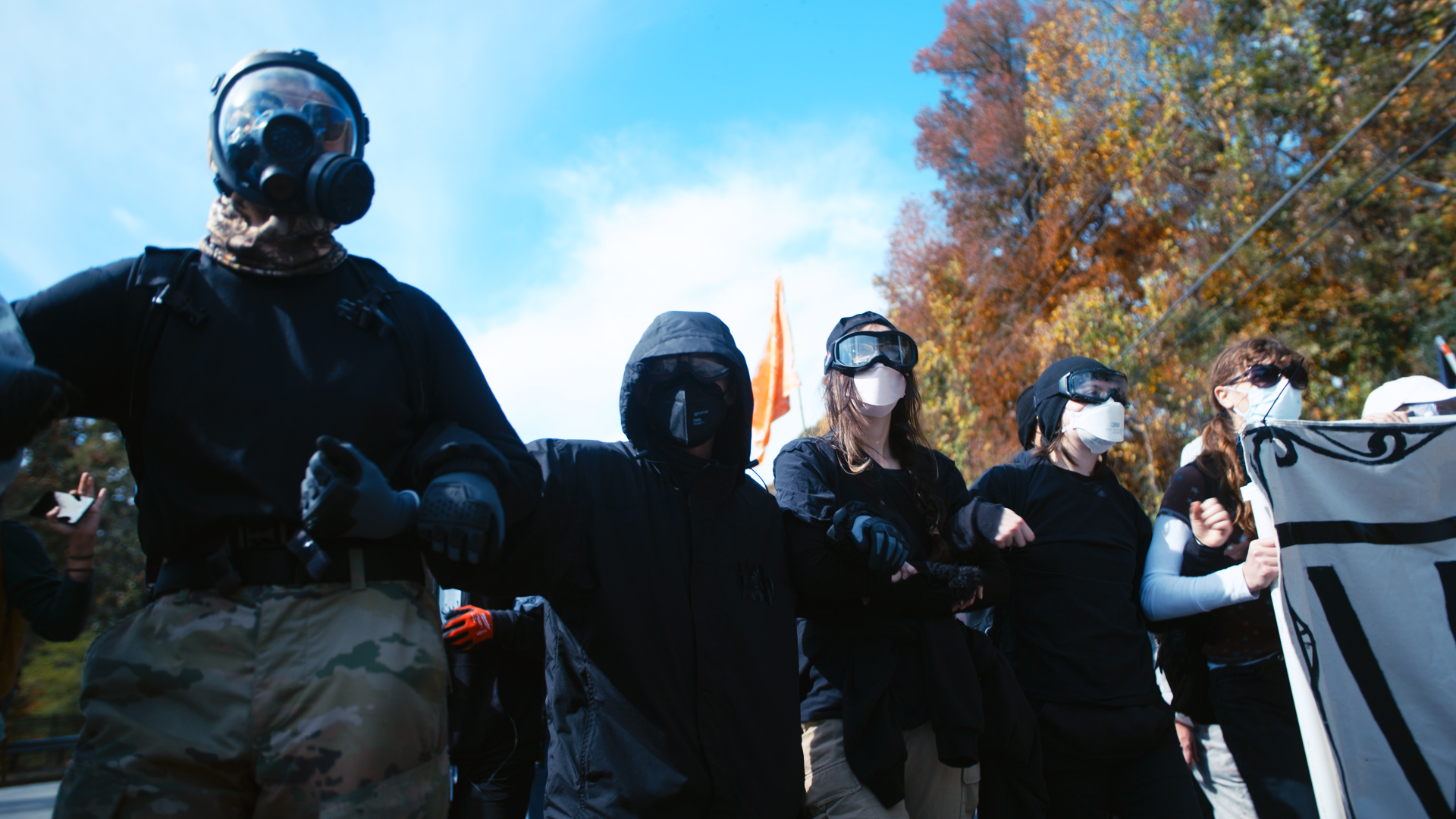
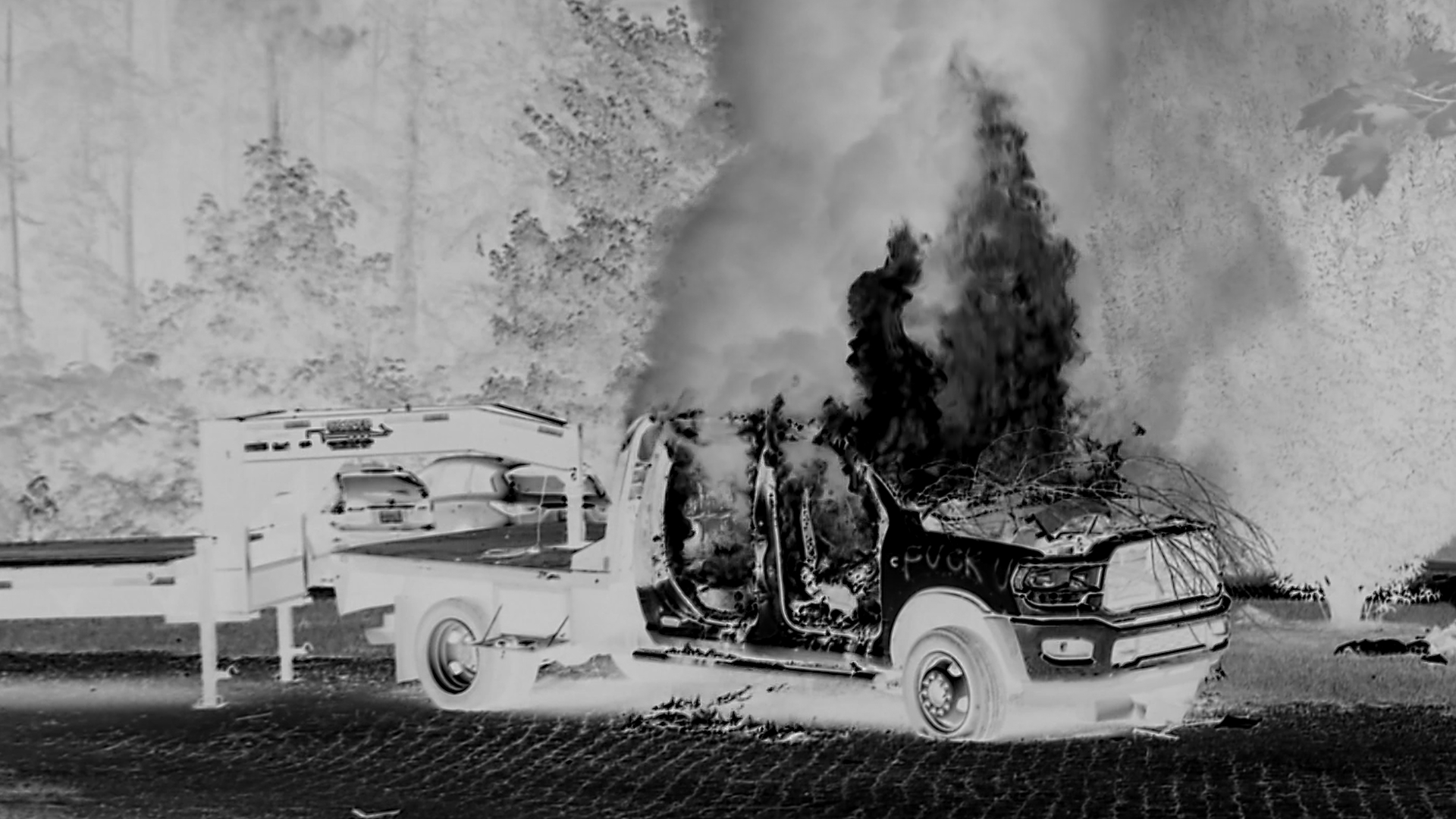
When the city of Atlanta announces plans to build the largest police training center in the US, destroying a vital forest in the process, an activist movement mobilises to stop “Cop City”. Our DocCritics gave their rundown of what to expect from this reckoning of policing, environmental justice, and democracy.
Aisha's Review:
A City In The Forest throws itself at the volatile intersection between ecology, state power, and grassroots resistance. Directed by Lev Omelchenko and Nolan Huber, the documentary is set during the 2020 George Floyd uprising in Atlanta, where an urban forest faces destruction to make way for a large-scale police training facility, starting a sustained activist movement for those who felt unheard. The forest begins to evolve into a place where visions of the future are clashing, where one is deep in communal care and the other in institutional control.
The film’s strength lies in its refusal to diminish this tension. Instead, it lingers in the grey areas, allowing the voices of activists, residents, and authorities to coexist uneasily. Emotional significance is felt throughout the film as they carry so much pain while constantly pushing for change, yet things out of their control always fight against it. They refuse to shy away from the truth.
Visually, the documentary draws on the raw richness of its setting. The way the camera tends to focus on the textures of bark, soil, and bodies moving through undergrowth reinforces the intimacy between people and places. This detail is what allows the film to grow into something exquisite, as it allows you to connect with the pain of those who feel unheard. The pacing throughout the film mirrors the chaos of the protests themselves, changing between moments of stillness and sudden escalation.
Ultimately, the film focuses less on resolution and depends on endurance. Although social justice for the things people believe in may be pushed against, the passion that was nurtured will continue to echo beyond its boundaries, as it can not be contained or silenced.
Robin's review:
Lev Omelchenko and Nolan Huber have created a wonderfully diverse insight into the lives of activists and protestors in addition to the corruption and rampant racism within Atlanta and the wider United States, through the “Cop City” saga. The filmmakers being present at historic and personal events has led to them creating a detailed narrative documenting the movement from the start to the present day.
Composer Robert Aiki Aubrey Lowe has created a beautiful soundtrack that compliments the contrast between rebellion and peace, with tranquil pieces intertwined with those that are more intense and overwhelming. They compliment the emotions and ideas the film portrays.
Identity is a very important aspect of “A City in the Forest” and the people within the documentary encapsulate this, featuring many queer and ethnically diverse individuals. Many of these people are unnamed, yet you feel their passion and become attached to their motives and goals.
Furthermore, the presentation of the film mirrors the various perspectives portrayed; smartphone footage, archival photography, news broadcasts, social media content and digital film were used, this incorporates a variety of aspect ratios. This choice by the directors to humanise the presentation allows for the viewer to feel personally attached to the movement, with different formats providing insight into different opinions and emotions.
Hope is a Word
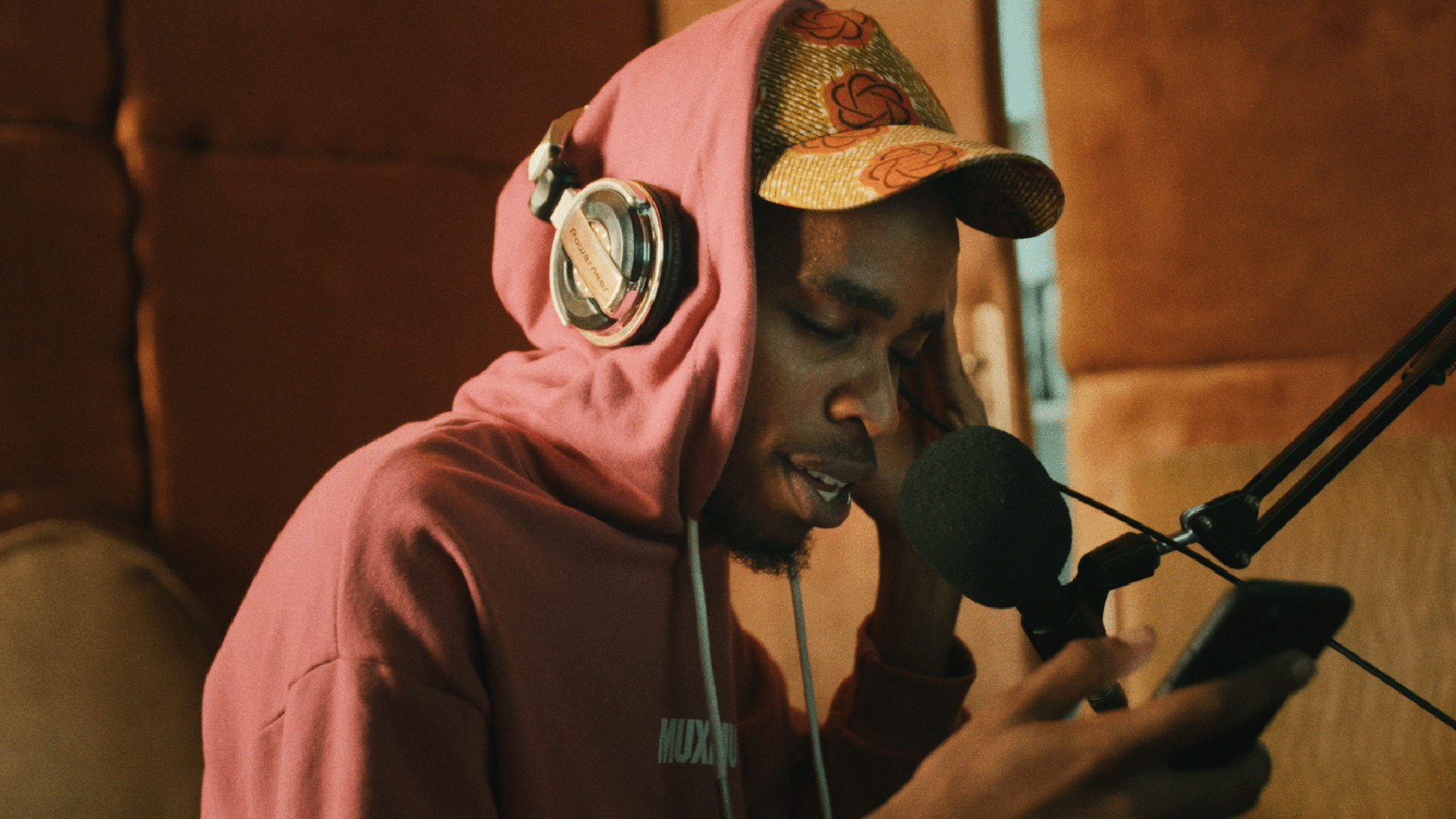
In Nigeria's Niger Delta, where oil extraction has poisoned the land for decades, poet and activist Nnimmo Bassey nurtures a new generation of writers to fight back.
Aisha's review:
Directed by Maria Galliani Dyrvik, Hope is a Word takes the audience on a journey by diving into the truth regarding environmental devastation and cultural resistance in Nigeria’s Niger Delta. The documentary focuses on poet and activist Nnimmo Bassey, who aims to inspire the next generations to use language as both a weapon and a refuge in the face of ecological collapse.
The documentary dives into a landscape that has been scarred by decades of oil extraction and where pollution has irreversibly impacted both the environment and livelihoods. Nnimmo Bassey emerges not as a singular heroic figure but as a facilitator of collective expression who wants to nurture the next generations of writers who will turn their pain and grief into political articulation. I found myself connecting with those who used their pain and turned it into a positive, as poetry was a long-lost love of mine that helped me see the bright side of hardship. Hope isn’t an abstract ideal, but something spoken, written, shared.
The film focuses on raw intimacy by drawing attention to the poetry readings, rhythms of voices and moments of reflection. The way the camera focuses on silences and gestures so that we can feel the emotional and political weight through their voices. By doing this, it reframes activism not as confrontation, but as a sustained practice of storytelling.
What gripped me was how they used creativity to create a safe space to heal and to push for change. The documentary suggests that hope is passed from voice to voice rather than held individually.
Ultimately, Hope is a Word leaves viewers with an understanding of hope as labour, something that must be continually produced against the forces that seek to erase both land and memory.
Robin's review:
To me, “Hope is a Word” first and foremost about the arts, about passing them down from generation to generation. Using creative outlets to express your frustration, anger, hope and resilience. It uses the background and setting of the Niger Delta in Nigeria and the oil extraction that occurs there to explore the lives and emotions of those who live there, through 17 poems and 4 songs.
It started with Ken Saro-Wiwa who inspired the film's first protagonist, Nnimmo Bassey, to pursue peaceful activism through poetry and creative arts. We see and hear these poems through flowing, blue subtitles and controlled, clean audio. Yngve Leidulv Sætre’s audio design throughout the documentary is satisfying and calming. You hear and feel the effects of poetry and Bassey on the community, violence and anger is only seen through archive footage, retold events and through an interaction between Bassey and an unknown man, of which Bassey remained collected and peaceful.
The switch to Barinedum Cecilia Mbee as the second protagonist is successfully earnt, it highlights the key themes of the documentary, she takes a key role almost replacing Bassey in the community, and is seen influencing them near the end of the documentary with her final poem. Segments from Bassey’s son, Ukpono, are also extremely powerful, using catchy music to spread awareness, as a form of activism. Together all subjects of the documentary combine to create a powerful antiviolence perspective to climate activism.
Both Anita Veda as DoP and editor Federico Neri, both keep to this idea of tranquility in their own works. Long takes and meaningful cuts allow the viewer to become more invested in the community's poetry and activism. The use of a wide aspect ratio means that we get to see the wide impact of oil and mega corporations on the Nigerian landscape. It also allows the viewer to see the diverse community surrounding Bassey, and also allows the viewer to take in the breadth of their words. The words and emotions float around them like thoughts due to the subtitling.
WOLF
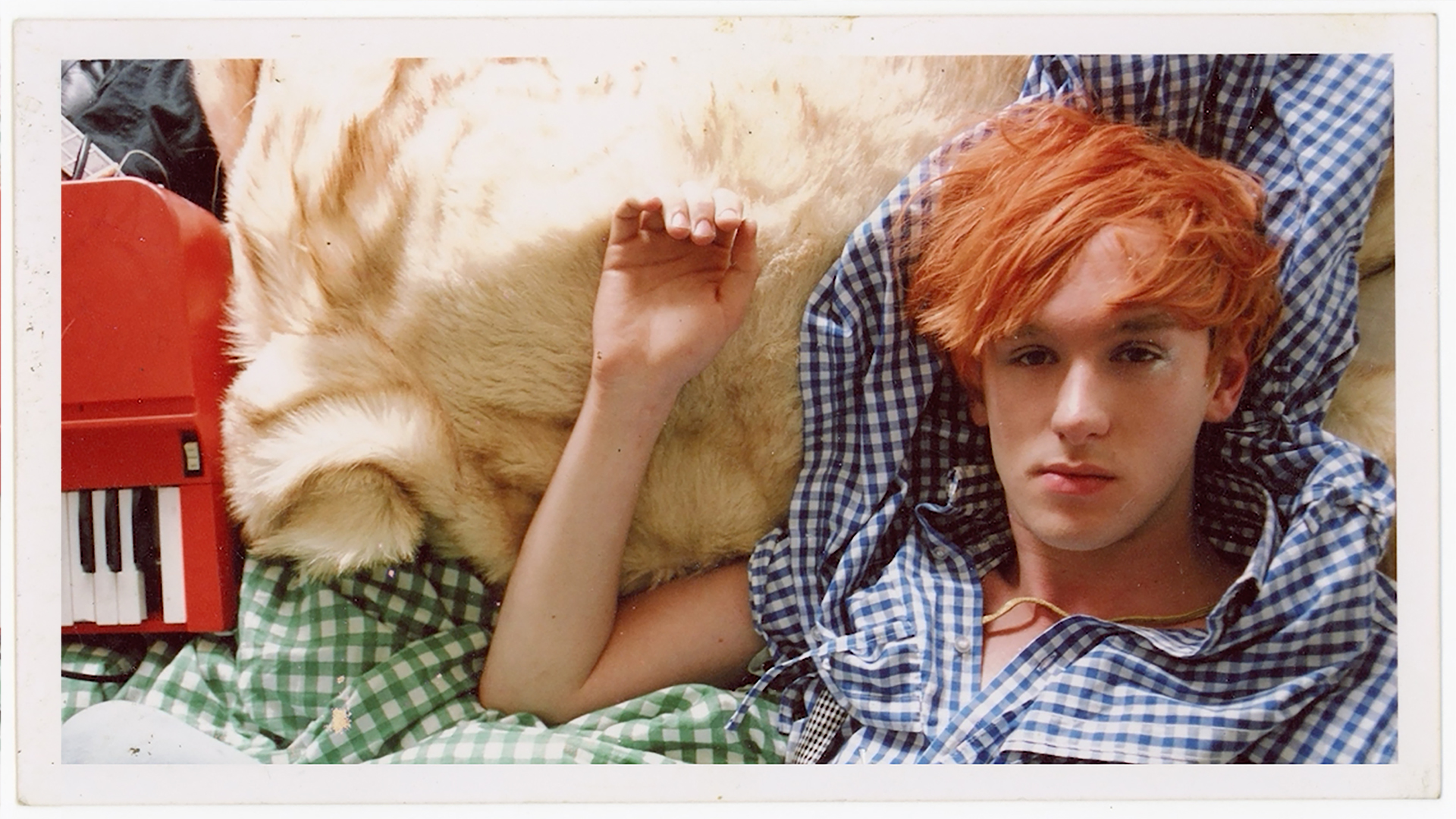
Unfolding through an intimate conversation with longtime friend Tilda Swinton, ‘WOLF’ is a moving journey through the life and battles of musician Patrick Wolf.
Aisha’s review:
WOLF, directed by Christian Cargill, is an inventive portrait of British singer-songwriter Patrick Wolf. As we are guided by the distinctive narration of Tilda Swinton, the documentary traces Wolf’s artistic evolution while reflecting on the personal and creative tensions that shape a life in music.
WOLF unfolds as a collage of archive material, animation, and performance. This approach mirrors Wolf’s artistry as it is presented as chaotic. The use of animation is effective in its own way as it elevates the emotional states that are difficult to articulate through traditional forms.
The film doesn’t shy away from acknowledging how instability often underpins artistic production. Creativity isn’t effortless or easy. There are moments of success throughout the film that are tainted with periods of uncertainty. This suggests how identity is like art, something that is constantly in flux. However, that is what allows it to align with broader trends in contemporary music portraiture that privilege introspection over spectacle.
Listening to Tilda Swinton’s narration truly added another layer of texture to the film. The way her voice guides the audience with a quiet and reflective tone helps reinforce the film’s thoughtful quality. WOLF resists the neat resolutions typical of biographical documentaries. Instead, it presents creativity as an ongoing process, shaped as much by fragility and reinvention as by achievement.
It was a breath of fresh air and warmth all in one. It felt like I was having a personal conversation as I witnessed the ups and downs of his story: the early promise of a fiercely original teenage talent, the dizzying heights of cult success, a painful unravelling, and an eventual return to music. It contributes to a wider exploration of identity and self-expression.
Robin’s review:
A calming and poetic documentary, director Christian Cargill sets the tone from the beginning with every shot feeling gently captured, allowing the viewer to understand Patrick Wolf as a person from beginning.
The voice over by Patrick Wolf and Tilda Swinton is very soothing, coming across more as a therapy session than a conversation between two friends, and it helps to build towards the film's conclusion. There is an issue with sounds coming from the mouth being picked up via the microphone, which is more noticeable with Swinton’s recording. It can detract from certain scenes. However, it also can be seen as a positive for the film. We get very close to Patrick as a person through his thoughts and feelings, so hearing them so close makes the interview much more personal to the viewer.
Queer identity, drug use and loss are all depicted through Patrick’s life story. Archival footage from his childhood and musical career are used to explore who he is along with his past, in a vibrant and expressive manner. He aims to overcome his past trauma and to create a sense of self worth - this is shown in the iconography of his present day garden and studio. Something that is seen at the beginning of the film and extremely important near the end, as Patrick rekindles his passion for music.. Furthermore, detailed imagery of birds are used as a metaphor of the self, with a pigeon, magpie, seagull and kestrel being used to portray his inner development over time.
Owen Pallet seals the film together with his melancholic and gentle score, he utilises a number of different genres and a wide range of instruments to create pieces that match Patrick’s personality and constantly expanding and changing life.
WOLF is about resilience and the evolution of a person - it is a story that anyone can relate to. “Dont give up on tomorrow, because tomorrow hasn't given up on you” is a quote from Patrick Wolf himself, and it summarises the whole documentary.
The Wolf
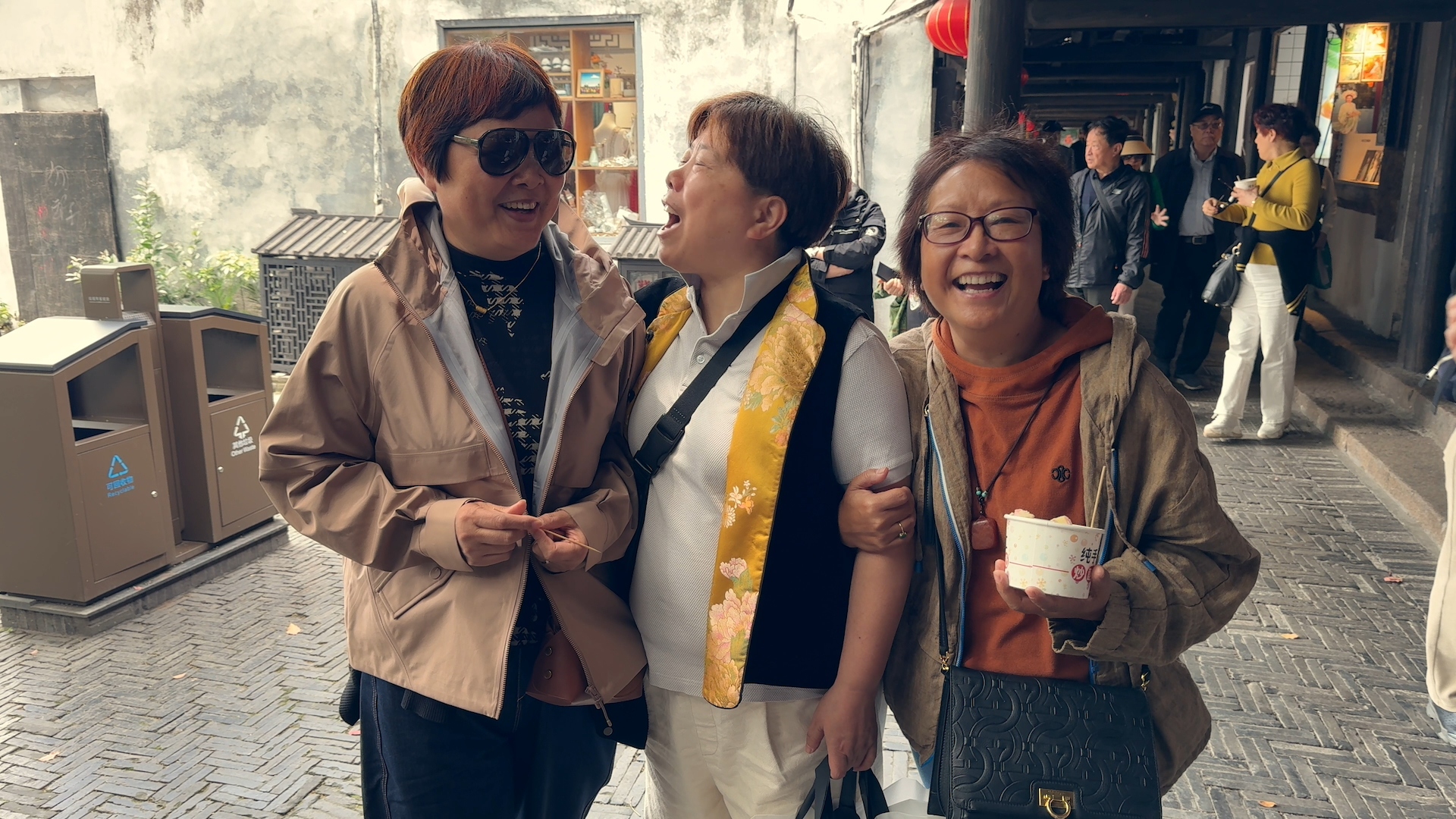
The Wolf follows Yuan, a 60-year-old former village mayor in Shanghai, seeking freedom through heartbreak, marriage and LGBTQ+ repression in modern China.
Aisha’s review:
The Wolf focuses on Yuan, a 60-year-old former village mayor in Shanghai, wife, and mother whose personal life becomes an open book to viewers as we witness broader questions of freedom, identity, and repression in modern China being explored.
We watch her navigate relationships, marriage, and social expectations while we observe how deeply Political and cultural constraints can have an impact on personal decisions. I could feel the heavy emotions of how that has impacted her as the film embraces her as someone who is complex and difficult to understand, which may be a result of how much she has had to sacrifice.
The Wolf embraces a restrained observational style as it leans into duration and presence over visible commentary. An iPhone camera was used to shoot the film, and it felt more intimate as it allowed meaning to emerge gradually.
As a result, the film felt patient, even tentative, for me. It felt like a dream that I was having, where the past and present were weaving into each other, and I thought about the possibilities of what would’ve happened to my life if I had made different choices. I felt like I could relate to this story due to the pressure of rigid family and societal expectations while figuring out my identity. Do we do what we want to do, or do we do what makes others around us happy?
The film focuses on small, personal acts that allow viewers to feel the subtle yet significant weight through moments of honesty, vulnerability, and emotional risk.
Robin’s review:
Following Yuan over a number of seasons we get to explore Chinese society as a lesbian woman, her daily life, business and relationships. It shows a very human look into tradition, policies and romance in modern day China.
Credit should be given to directors and cinematographers Wancheng Gu and Prasad Sudhakar Shetty for the decision to use IPhones for this documentary, the pair care able to get very close to Yuan and the other subjects such as Zhen Zhen, Yuan’s girlfriend. The use of IPhones allows for them to get into cramped spaces and to be unintrusive in the scenes they are capturing, such as Yuan and Zhang’s daughters wedding. However, even with the size and manoeuvrability, the film does lack depth, clarity and colour contrast in certain scenes. Furthermore, their scenes, particularly interviews/conversations with the subjects could have had better compositions and framing, to remove empty space above and around the subject.
Being filmed via a small crew has meant that some scenes have echoey or noisy audio. The use of a boompole would possibly have made audio much cleaner, however it is understandable why this was not used given the crew size and locations within the film.
The edit is rather simple, at least as a viewer, but Jing Yu does a great job of constructing the narrative, flowing each cut and scene seamlessly into the next which provides for a very pleasant and insightful look into Yuan’s life.
The subtitles during talkative scenes only seemed to focus on the main speaker, leaving me confused at times with what others were saying or replying, this made it harder to follow some conversations or to understand how the subjects were feeling. In addition, the film does not shy away from being humorous at points which adds a very human factor and makes the experiences of Yuan and her family and friends more relatable and personal.
The Way You See Me
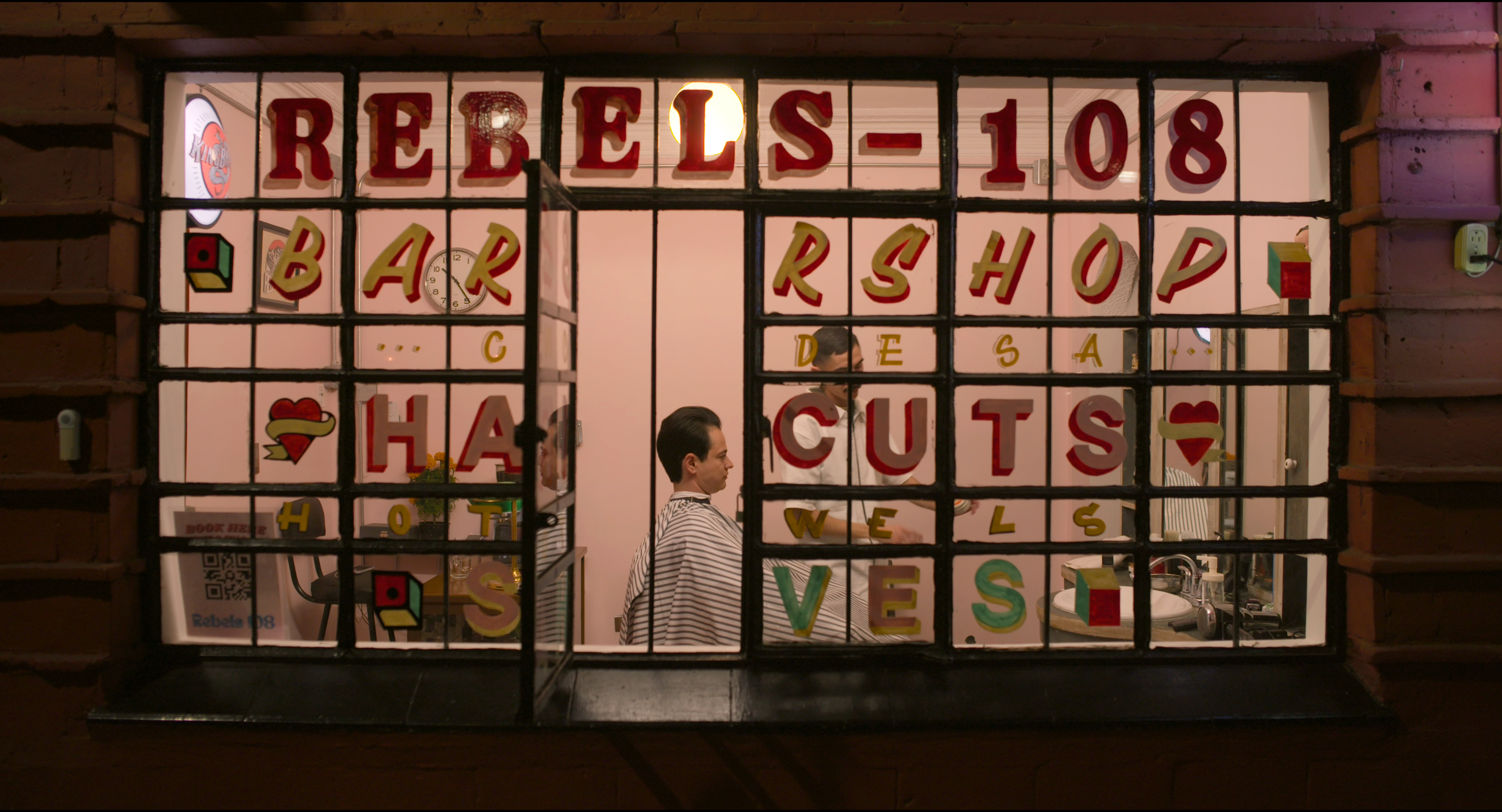
An intimate story about the construction of identity and the consequences of defying gender norms within Mexico’s conservative upper-middle-class society.
Aisha’s review:
The Way You See Me (Como tú me ves), directed by M Sin Título, is an intimate and unflinching exploration of identity, gender performance, and the social consequences of refusing to conform. Shot over the course of 10 years, the documentary traces the filmmaker’s evolution from exaggerated hyperfemininity to a more defiant, self-defined masculinity.
The core of the film is how it started as an experiment to challenge gendered assumptions, but it shifts and becomes something far more complex as we witness the filmmaker confronting not just their own body and voice, but the expectations imposed by class, family, and society. You witness how it is attentive to gender norms that are enforced within Mexico’s conservative upper-middle-class context.
The opening sequence had me smiling in surprise as I wasn’t expecting a mariachi band. I found myself just getting up to dance, then I rewound it to focus deeply on the lyrics that link to the film's final moments. There is a quote that stuck with me during the end sequence where the narrator said: “I want the possibility to keep exploring ways of living with less suffering, without fear.” It stuck with me after the credits rolled, as I could personally relate to it. We all just want to figure out how to live life without fear of being our true selves.
In addition, the film’s longitudinal approach is one of its greatest strengths. It captures
transformation in real time, which allows viewers to experience moments of uncertainty and
vulnerability to be visible. This is what gives the documentary emotional depth that offers rare honesty. It also presents identity as something shaped as much by external surveillance as by internal desire.
Robin’s review:
The title of this documentary summarises the film perfectly. It explores gender roles and the portrayal of gender perception within Mexican society. The film tracks M and their transition from being hyperfeminine to presenting masculinely. Over the course of the film, what began as an experiment, sees M become themself and increasingly more comfortable in their body.
The film opens with a musical arrangement in a Charrería arena, with clear audio from Raul Locatelli, something that is present throughout most of the film. This arrangement contrasts the end of the documentary with M in the same arena, this time wearing the same attire as the musicians, as if blending into society, and can be seen as a conclusion to their gender exploration and transition.
Their gender and expression is portrayed through collages of artwork by M, which show both the masculinity and femininity of the human body as well as dysphoria and euphoria. Furthermore, the expression of gender and its roles in society and culture is greatly displayed through the numerous shots of clothing, status and artwork in the environment, this directorial decision along with Magela Crosignani’s cinematography reinforces and solidifies the expectations of gender norms and perceptions throughout Mexico.
Being about the lived experience of the director, a non binary lesbian, the film is very relatable to those who are queer or are nonconforming in society. The film documents experiences and the changes that occur with experimenting with gender, fashion and hormone replacement therapy. Physical and societal perceptions are displayed whilst using voice over and conversations with friends and acquaintances to forward the narrative. Nevertheless, I would have preferred to have seen more from M and their transition with more personal accounts rather than relying on using others to explore identity and gender.
The music by Pambo and Mariano Lazcano is extremely varied and interesting, each piece is different to the next, and excels at exploring the idea of identity through music, as well as being atmospheric and immersing the viewer into the life of M and the concept of gender.
Matininó
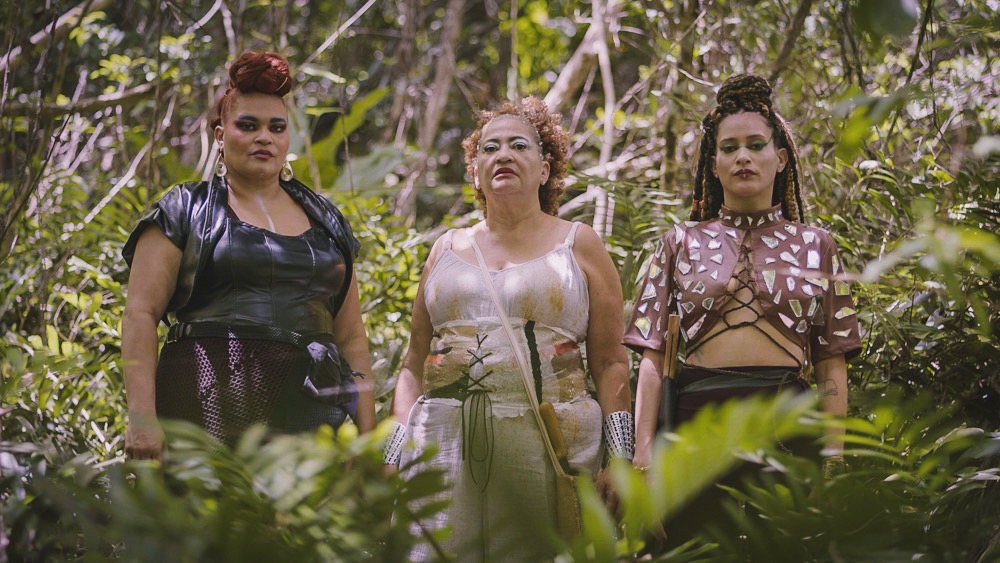
Matininó tells the story of a multi-generational family of Puerto Rican women transforming their experience of violence into a fantasy film.
Robin’s review:
Matinino explores womanhood and motherhood through the creation of a story. Director Gabriela Diaz Arp’s documentary explores a group of Puerto Rican women, their pasts, their fears and their traumas. Expressing this through art, passing down wisdom and stories to the next generation. Their experiences are put into a fantastical world of which each member is equal and has a right to speak up and share their opinions.
The fantastical world is vibrant and intriguing. Pablo Ascanio (cinematographer) and Lara Garcia Reyne (editor) together have brought this world to life through the colour grade, composition and incredible use of natural and single source lighting, with many scenes shot at night or in the dark. The only noticeable light sources are those within the film whether that be the sun, fire or lanterns - it is an incredibly beautiful feat that the crew have pulled off with great success.
Many scenes, particularly interviews and conversations, are composed with the subject/s in large natural open spaces, this creates a sense of freedom and liberation but can also represent isolation.
Excellent prop, costume and makeup design is used throughout, adding texture and colour as well as revealing aspects of each subject's personality. The set designs and environments within the film are very natural, with most of the film being set outside. Most of modern life is shown to be decaying and reclaimed by nature, which can be seen as a metaphor for the women reclaiming their lives from the experiences of men. Another metaphor used within the film through B-roll and the character of “Red” is that of the chicken. It is used to represent masculinity and femininity, manhood and womanhood, the roosters are shown as violent whereas hens are shown to be trapped, trapped within society and themselves. Red represents the acceptance of regret, fear and trauma and the passing down of wisdom and knowledge from ancestors onto the youth, opening a physical door within the film, to new life and freedom.
The use of both Spanish and English throughout helps to show the uniqueness of each subject as well as expresses their vocal freedom. In addition to this, Alain Muñiz (sound) along with Lara have created an immersive and ambient design to the sound, providing clear and clean audio throughout the film.
Magma
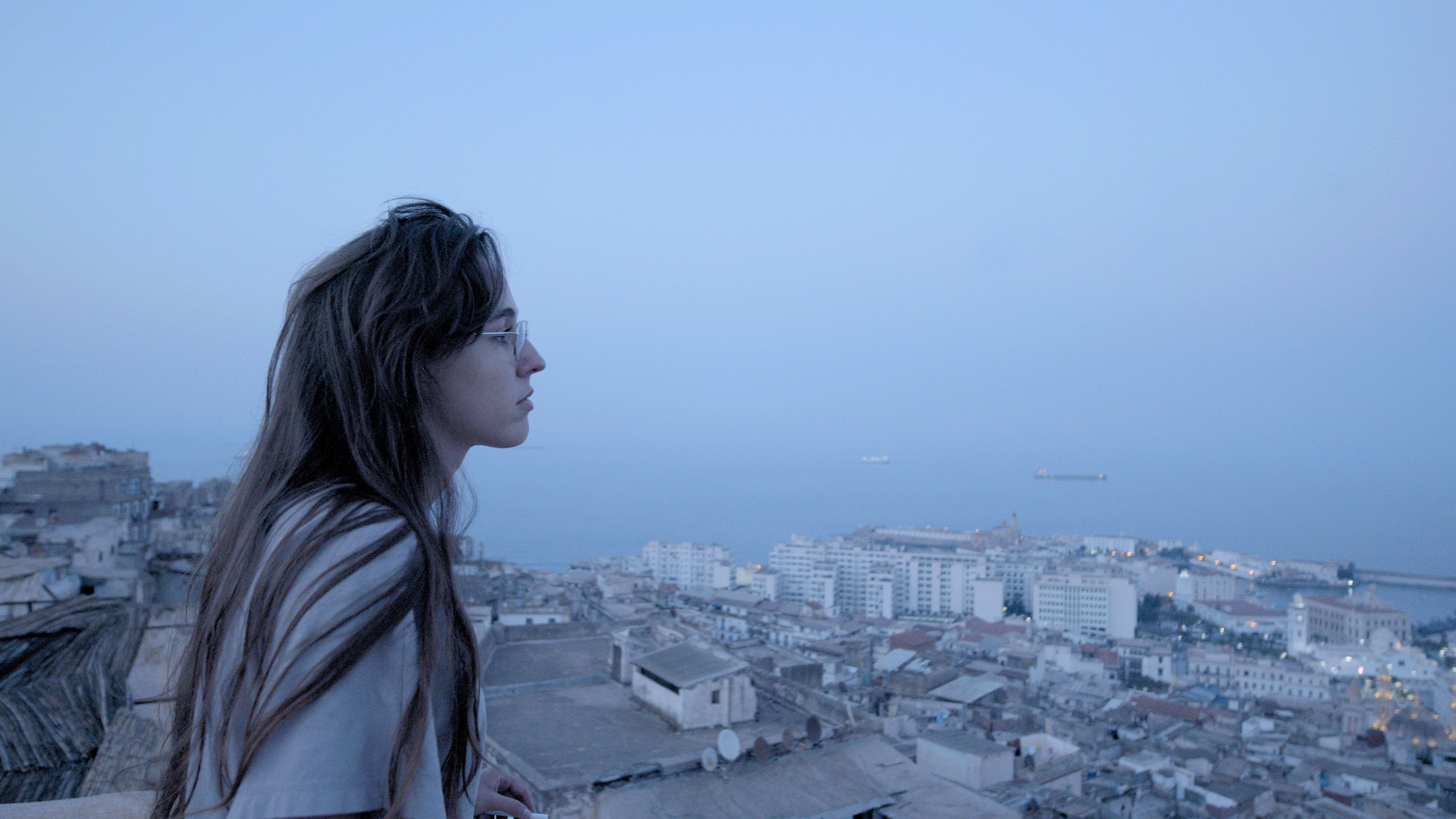
Mia's quest to uncover family taboos sets her off to untangle increasingly contradictory truths between Algeria and France.
Aisha’s review:
Magma, directed by Mia Bendrimia, is a deeply personal documentary that dives into the
complexities of the past, family history, and the lingering impact of colonialism. The film uses a different approach by unfolding as an investigation into the filmmaker’s own past. This allows us to witness how histories can be difficult to fully grasp, but lets us experience her raw emotions down the road she’s taking us on.
At the centre of the film is Bendrimia’s attempt to understand her family’s relationship to the
Independence War, particularly how different members were positioned on opposing sides. What is revealed isn’t just one truth, but a series of various perspectives that leave you conflicted. They do not align neatly, but they expose the gaps and contradictions that shape personal and collective memories. How the documentary refuses to simplify history and acknowledges the discomfort and ambiguity is one of its greatest strengths.
The structure of the overall film made me feel unsettled on purpose as it moves between voices and moments without forcing a sense of closure. I enjoyed how there was a quiet patience in the way conversations would unfold, as the film often lingered on pauses or hesitations. These moments are filled with weight to what is unsaid, suggesting that absence can also be meaningful like presence.
Watching how Bendrimia takes her pain and finds new ways to cope, like baking a cake, led me to feel quite emotional as I could relate to trying to find ways that help me deal with my pain. I felt a sense of understanding as I felt less alone because “Healing isn’t a linear process”, and we need to have tough conversations.
In addition, it leaves the viewer with a sense that the past remains unresolved, continuing to
influence the present in subtle but powerful ways.
Robin’s review:
Magma is a very personal film, delving into the family history and personal experiences. Director, Mia, uncovers the mystery surrounding her great grandfather's death which is covered in speculation. Intertwined with this familial discovery is another mystery, one that is personal to her, a traumatic secret she has kept from her family.
The use of photographs and artworks interlink the past and present, her ancestors and herself, this decision leads to the documentary feeling extremely personal. The artworks are an extraordinary handcrafted look into the mind of someone who has gone through both physical and sexual assault.
Exploring both sides of the family, in France and in Algeria, creates tension and emotion to a wonderful effect through conversation and interviews. You feel each character's thoughts and emotions regarding the topic, and each side adds to the narrative.
Cinematographers Amandine Klee and Mestiich have captured an expressive and emotional film, however there are some parts that I believe could have been improved, such as the shaking and framing. However, they weren’t terrible and didn't take you out of the film. The shaky camera makes certain scenes resemble home footage of which some is shown of Mia at the start of the film, which adds to the nostalgic feeling and ideas of ancestry and family.
Zeid Hamdan’s original music adds atmosphere and ambience to the film, sometimes beautifully fading into the background to elevate emotional scenes. There were some issues with the subtitles not being clear or shown at points leaving me lost. I also noticed a boom pole very prominently in shot, however throughout the film Mia and others acknowledge the crew, and it makes the film feel more interactive, as if the viewer is uncovering the mystery along with the family.